

At an event, a stage, talent, an audience and moments that will never happen again all come together. Many brands pay to bring them together and then ask a team to "shoot some footage". They end up with hours of material and discover in the edit that the decisive question, the reaction shot or the usage rights are missing. The piece they wanted to publish never existed in the running order.
The camera does not find the story by chance. Production has to create the conditions for that story to happen and to be told.
The aftermovie answers a question that is too small
The highlights video proves that an event took place and can recapture its atmosphere. That is a useful function. But a buyer who was not there needs to understand what was resolved; a fan wants to relive a particular moment; a sponsor needs to explain what it made possible; and a future attendee is looking for a reason to come. The same piece can hardly serve all four.
In 2026 Forrester reports that 43% of the event leaders in its research use AI to repurpose content. The figure confirms that repurposing already occupies teams, but a tool can only cut and transcribe what was captured. If the context, the sound, the permissions or the protagonist's reaction were missing, automating the edit does not rescue the story.
The first editorial decision is not how many cameras there will be. It is what questions the material should be able to answer the next day.
A production with two scripts
The script of the live show orders entrances, performances, screens and timings. The content script identifies stories with an audience and a destination: a conversation with the protagonist, the reaction to a play, the before and after of an activation, or an explanation of what the viewer has just seen.
The two scripts affect each other. An interview requires a place with good sound and real time in the schedule. A vertical social piece needs a framing and a version that reads without the giant screen. A sponsor that wants to tell the story of the activation needs an organic presence within it and image rights compatible with its channels. These are pre-production decisions.
Live direction must also protect the show. If a shot is obtained at the cost of interrupting the audience or holding up the stage management, the content is consuming the value of the very moment it set out to amplify.
The live script and the content script meet before the edit
- StoryWhat needs to be understood
- SceneWhere it can happen
- CaptureWhat image and sound it demands
- OutputWho it will serve afterwards
GDN framework · Conceptual reading, no quantitative data
From a shot list to a story list
A list of resources might say "stands, stage, audience, logos". An editorial inventory sets out complete units: who leads the story, what happens, why it matters, what proof makes it credible and who it will serve. A story may need image, ambient sound, a line and a result shot. Without that combination it remains supporting material.
This forces you to prioritise. Five well-produced stories can contribute more than a hundred undifferentiated fragments. It also simplifies the edit: the team knows what to deliver on the spot, what needs context later and what is not worth producing at all.
Changing the shooting brief changes the material
| Usual request | Useful question before the event | Possible result |
|---|---|---|
| Record everything | What story do we need to prove? | A selection with intent |
| Make a highlights video | Who needs to understand what happened? | Pieces for different audiences |
| Pull vertical clips | Will it look and sound good in vertical? | Capture prepared for the channel |
| Include the sponsor | What did it make possible within the activation? | Presence tied to the story |
Three elements that should appear in the brief
An editorial objective for each priority story.
People responsible for capture, permissions and live approval.
An output and a date of use planned before editing.
The brief the production team should receive
Before the edit, for each story we define the objective, the audience, the format, the protagonists, the permissions and the moment of capture. During the event, someone is responsible for confirming whether the moment happened or whether the story needs to change. When it is over, an editorial selection decides which pieces still make sense.
You can measure deliveries, consumption and the brand's use of the material. None of those figures proves affinity or sales on its own. Editorial judgement improves how well the production is used; assessing the brand effect needs a different methodology.
Our view at GDN
At GDN, content strategy enters into the production. We think about what has to happen and how it will need to be seen and heard; then we coordinate stage, stage management and audiovisual to make it possible. That way the experience works for those who were there and leaves stories with a real use for those who could not attend.
A case that proves it
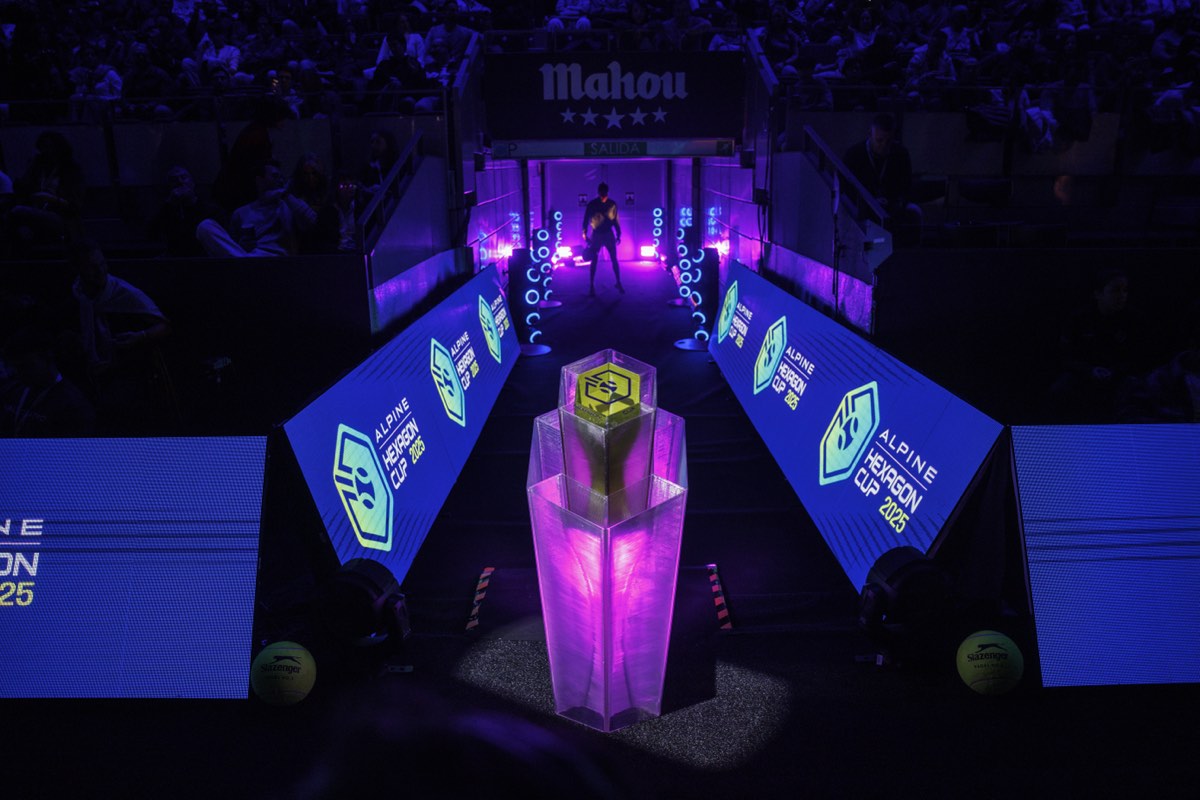
For Hexagon Cup 2025, GDN's credentials document end-to-end design and production, stage management and audiovisual, graphics for television and social media, and the customisation of the Madrid Arena. The coexistence of the live show and outputs for TV and social channels demonstrates integrated audiovisual planning. No consumption figures are provided, nor any proof that each piece was distributed over several weeks.
Frequently asked questions
Does an aftermovie stop being useful?
No. It sums up the atmosphere and bears witness to the event. It is worth commissioning other pieces when the brand needs to explain, convene, sell or continue a conversation.
Do you need to increase the number of cameras?
Not always. First you have to decide which stories deserve capture and where they will happen; then you size the cameras, audio and crew.
Can it be sorted out afterwards with AI?
AI can transcribe, select or adapt material. It cannot create an interview that was never done, nor obtain a permission that was missing.
What should the sponsor approve before the event?
Its editorial role, the terms of use for image and brand, the intended channels and who signs off the pieces without blocking the pace of the live show.